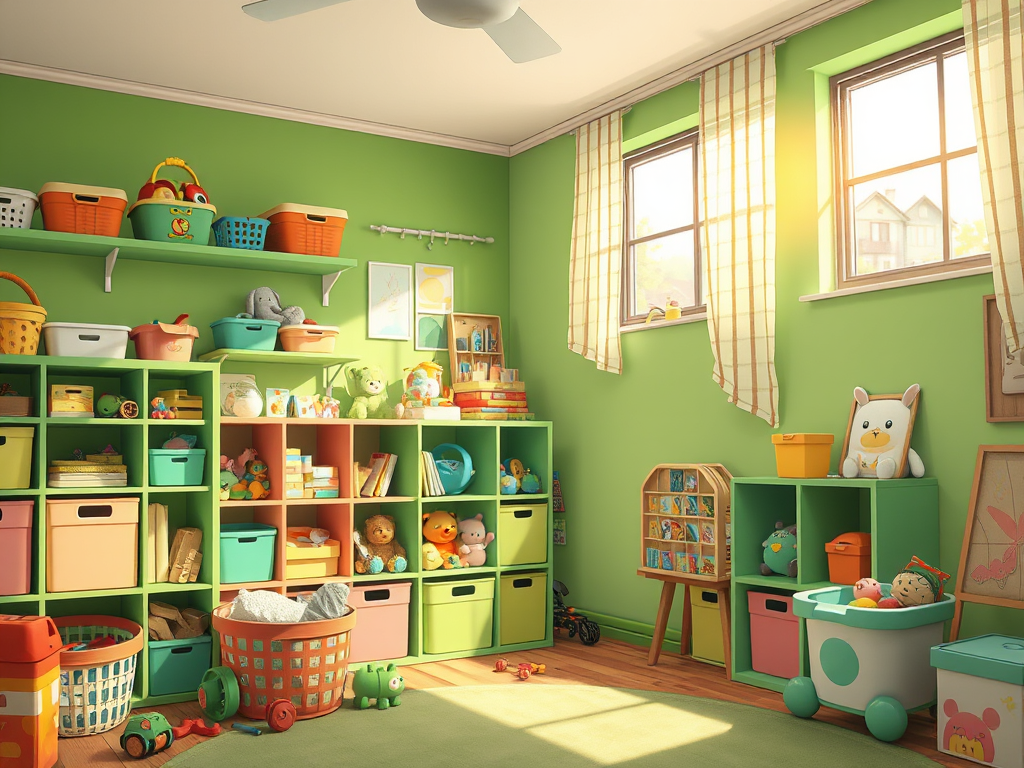
Designing the perfect play space for your children is about more than just keeping their toys tidy—it’s about fostering creativity, encouraging active play, and creating a safe and engaging environment where they can explore and grow.
A well-thought-out play space ensures that toys are easily accessible, promotes imaginative play, and provides a balance between structured and free play. Whether you have a dedicated playroom, a small nook, or an outdoor area, this guide will help you create the ultimate toy haven for your little ones.
Understanding Your Child’s Needs

Before setting up a play area, consider your child’s interests, age, and developmental stage. Younger children benefit from spaces that encourage sensory exploration, while older kids may need areas that allow for role-playing, building, or physical activity. Ensure that the space evolves as they grow, incorporating elements that keep them engaged at different stages.
Choosing the Right Location
A designated play area should be in a space where children can play safely while still being supervised. If possible, choose a room with natural light, as this enhances mood and energy levels. If you don’t have an entire room to dedicate, consider using a section of a bedroom, living area, or even an outdoor garden.
Indoor Play Spaces
- A corner of the living room with a toy organiser and soft play mats.
- A dedicated playroom with child-friendly furniture, bookshelves, and a craft table.
- A bedroom with multi-functional storage solutions to maximise space.
Outdoor Play Areas
- A section of the garden with a sandpit and outdoor toys.
- Wooden climbing frames with swing to encourage physical activity and adventurous play.
- Wooden climbing frames with slide to add an element of fun and movement.
- Trampolines or obstacle courses for energetic play sessions.
Storage Solutions for a Tidy Play Space
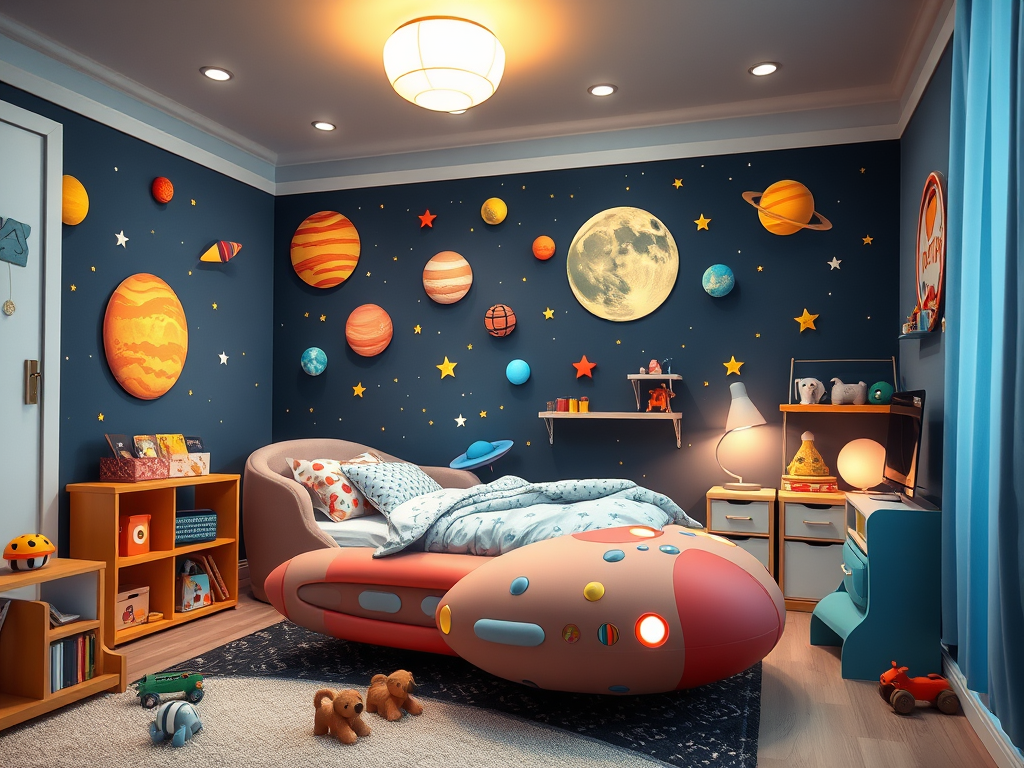
A clutter-free play area makes playtime more enjoyable and easier to manage. Smart storage solutions help keep toys organised and accessible.
- Cubbies and Baskets: Use labelled bins or colour-coded baskets to sort toys by type (e.g., puzzles, building blocks, soft toys).
- Toy Rotation System: Store away some toys and rotate them every few weeks to keep playtime exciting.
- Wall Storage: Floating shelves, wall-mounted organisers, or pegboards can help keep toys off the floor.
- Multi-functional Furniture: Ottomans with hidden storage, toy chests, and stackable containers can maximise space.
Encouraging Imaginative Play

A well-designed play space should inspire creativity and pretend play. Consider adding elements that encourage storytelling, problem-solving, and role-playing.
- Dress-up Corner: A small wardrobe or storage box for costumes and props.
- Play Kitchen or Workshop: A miniature kitchen or toolbench for role-playing activities.
- Reading Nook: A cosy corner with a bean bag, bookshelf, and soft lighting.
- Themed Play Areas: A tent, castle, or space-themed section for adventure-driven play.
- Building Zone: An area for LEGO, magnetic tiles, or wooden blocks to foster creativity and engineering skills.
Incorporating Active Play
Children need space for movement and exercise, which is why incorporating elements that promote physical activity is essential.
- Indoor Active Play: A small climbing frame, soft play shapes, or a mini trampoline can be great for rainy days.
- Outdoor Adventure Zone: Wooden climbing frames with swing allow children to develop balance and coordination.
- Slides for Fun: Wooden climbing frames with slide add excitement and encourage outdoor activity.
- Ride-On Toys and Sports Equipment: Bikes, scooters, and ball games help develop motor skills.
- Balance Boards and Stepping Stones: Great for building coordination and body awareness.
Designing a Safe and Child-Friendly Space
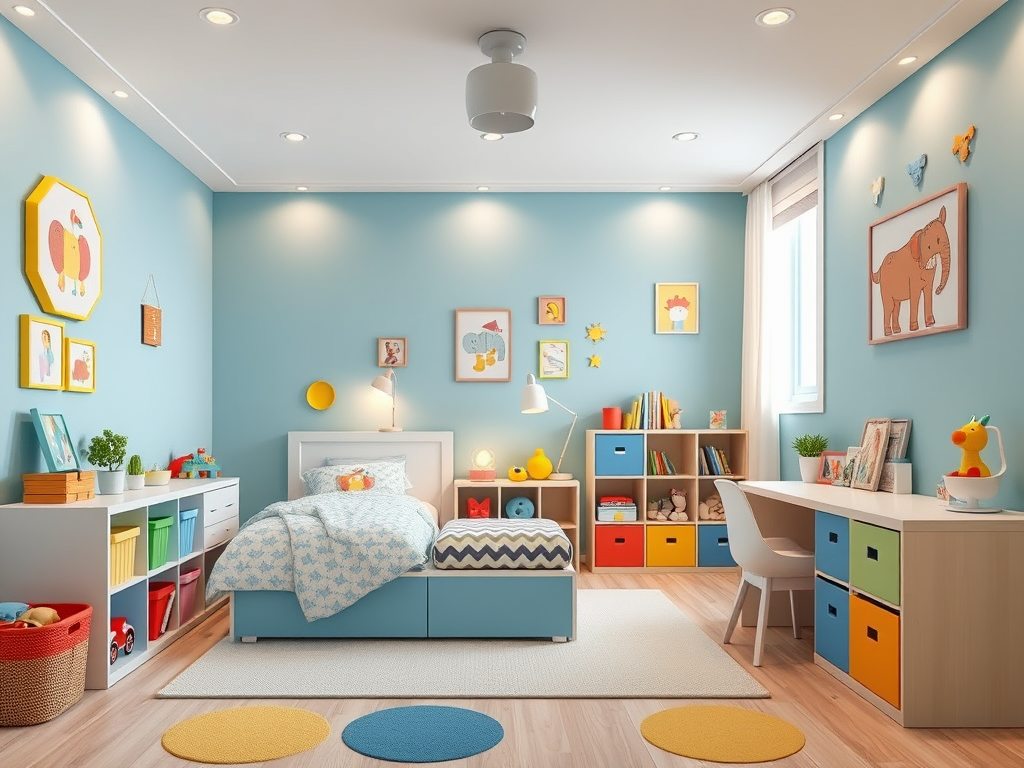
Safety is a top priority when creating a play area. Here are a few key considerations:
- Soft Flooring: Use foam mats, carpets, or rugs to cushion falls.
- Secure Heavy Furniture: Anchor bookshelves and storage units to walls to prevent tipping.
- Non-Toxic Materials: Opt for child-friendly, non-toxic paints and furniture.
- Rounded Edges: Avoid sharp corners by choosing rounded furniture.
- Proper Supervision: Ensure play areas are visible from common living spaces.
- Adequate Lighting: Ensure both indoor and outdoor play areas are well-lit for safety.
Adding Personal Touches
A play space should reflect your child’s personality and interests. Let them participate in decorating and choosing themes or colours.
- Wall Murals and Decals: Use removable stickers to create an engaging atmosphere.
- DIY Art Displays: Hang their artwork to encourage creativity and boost confidence.
- Customised Storage Boxes: Let children decorate storage bins to make organisation fun.
- Name Labels: Personalised labels on storage areas can help kids learn organisation skills.
- Fairy Lights and Canopies: Create a magical ambiance with string lights and soft fabrics.
Maintaining and Updating the Play Space

As children grow, their interests change. Regularly updating the play area ensures that it remains exciting and engaging.
- Declutter Periodically: Donate or store toys that are no longer used.
- Adjust the Layout: Rearrange furniture and storage to accommodate new play activities.
- Introduce New Play Elements: Upgrade the space with new toys, books, or outdoor equipment.
- Encourage Responsibility: Teach children to tidy up after playtime and maintain their space.
- Create Seasonal Play Zones: Rotate outdoor and indoor play themes based on the season.
Making Playtime Social
Encouraging social play can help with teamwork and communication skills.
Siblings’ Play Area: Design the space to be inclusive for multiple children.
Playdates and Group Activities: Arrange group play sessions to encourage sharing and cooperation.
Board Games and Puzzles: Promote teamwork with age-appropriate games.
Outdoor Gatherings: Plan mini treasure hunts or obstacle courses in the garden.
Final Thoughts
Designing the perfect play space for your child is about balancing organisation, creativity, and fun. Whether indoors or outdoors, a well-planned play area enhances your child’s learning, development, and enjoyment. By incorporating practical storage solutions, imaginative play areas, and active play equipment such as wooden climbing frames with swing and wooden climbing frames with slide, you can create a toy haven that grows with your child and encourages endless hours of fun. Investing time in designing the right play space will not only benefit your child’s development but also create cherished childhood memories that last a lifetime.


 Ideal Home Ideas
Leave a comment